

Archaeologists Decipher Mysterious Pattern. Mystery of "Snake Mountain" Solved
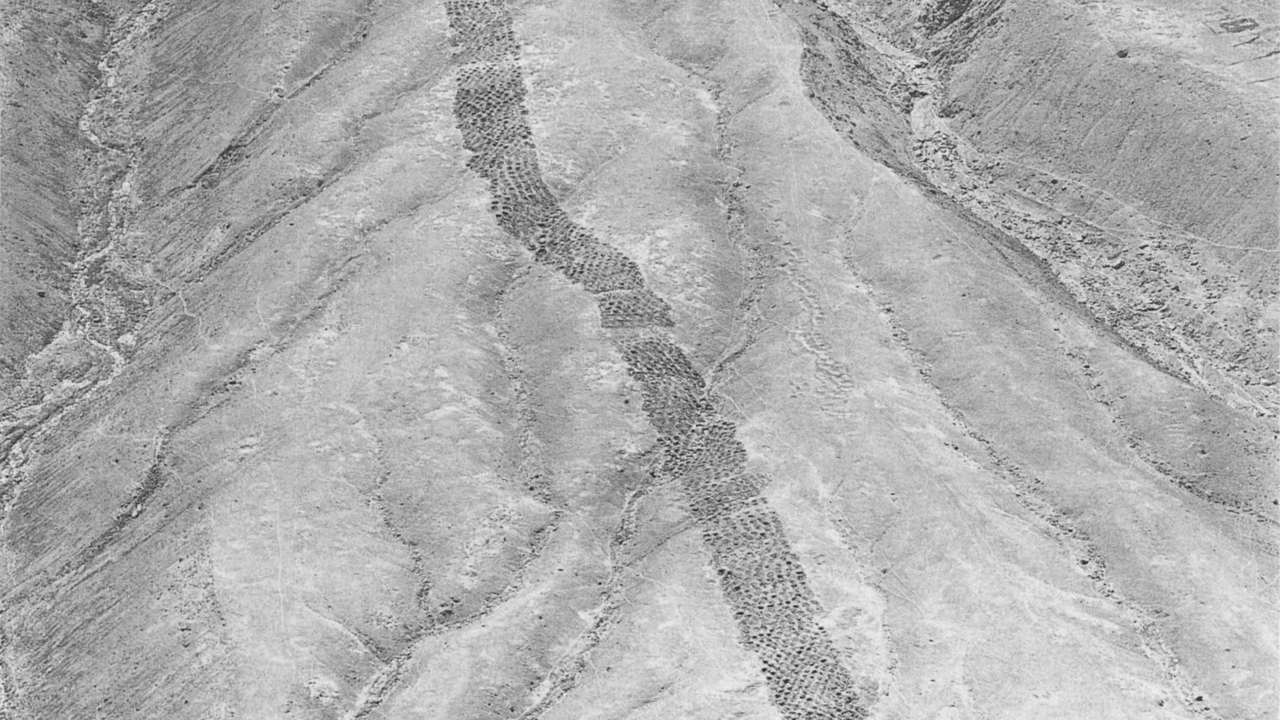
Now, a team of scientists from the University of Sydney has presented new evidence that may finally reveal the true purpose of this extraordinary place.
As lead author Dr. Jacob Bongers, a digital archaeologist, explains, specialized drones were used to precisely map the area. It turned out that the holes were not randomly placed—they formed geometric patterns reminiscent of the Inca khipu, a system of recording information using strings and knots.
“This is an extraordinary discovery that expands our knowledge of ancient accounting practices in the Andes and beyond,” adds the scientist.
Monte Sierpe. Ancient trade center?Soil sampling yielded further clues. Traces of corn and reeds, used for basket weaving, were found in the holes. This may indicate that the site served as a pre-Inca marketplace, a kind of flea market.
"Itinerant traders, fishermen, and farmers could have met here to exchange goods. These pits could have been a form of social technology, a space that connected people," Dr. Bongers tells sciencedaily.com.
Monte Sierpe lies between two Inca administrative centers, in a strategic ecological zone connecting the mountains and the coast. Researchers believe the Chincha Kingdom may have created this trading post, and the Incas later transformed it into a system of accounting and settlement.
Drones reveal hidden patterns of the AndesAlthough Monte Sierpe has been known since 1933, when photos were first published in National Geographic, its true significance long remained a mystery. Only drones made it possible to create a detailed map of the area.
"Until the introduction of drone technology, the Monte Sierpe area was extremely difficult to map. Now we see that this site has enormous scientific significance," says Professor Charles Stanish of the University of South Florida.
The latest analyses confirm that Monte Sierpe may have served as a warehouse, redistribution point, and accounting center for goods. The team now plans further research to determine what plant species and products may have been stored there. "This discovery not only brings us closer to understanding the history of the Incas, but also demonstrates how science can debunk myths and restore indigenous communities to their heritage," concludes Professor Stanish.
The research was published on November 10 in the prestigious journal Antiquity and supported by the University of Sydney, the University of South Florida and the Peruvian Ministry of Culture.
Read also: Blood-chilling discovery by Polish scientists. Children may have been ritual sacrifices . Read also: An extraordinary discovery in Jerusalem made an archaeologist scream with excitement.

Wprost


